

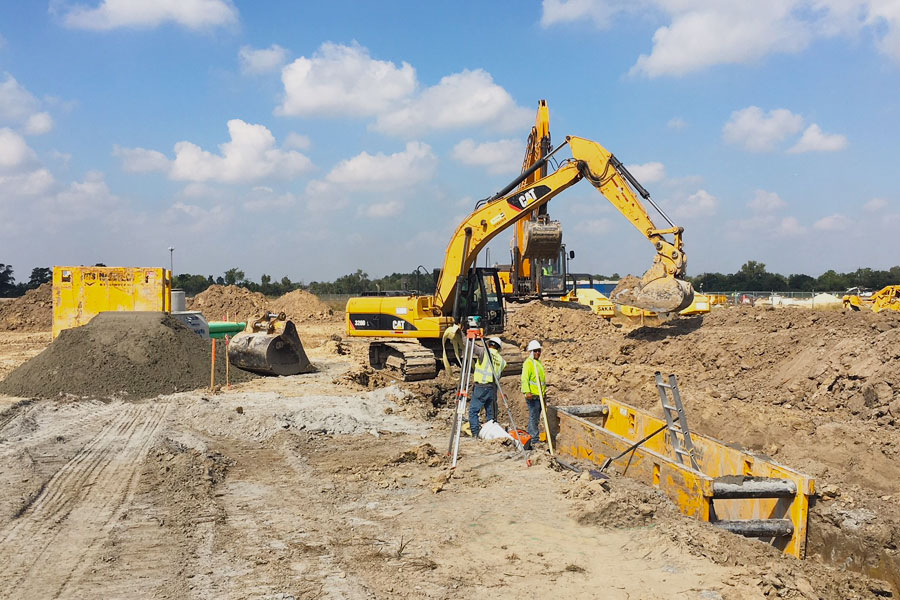
TLC January Blog
Reducing Risk Before Groundbreaking: A Contractor’s Perspective
In civil construction, the most expensive problems rarely start in the field. Most often, they begin before the first piece of equipment ever arrives on site.
For renewable energy, industrial, and commercial projects, risk reduction starts long before groundbreaking. From planning and permitting to site evaluation and coordination, proactive pre-construction decisions play a critical role in protecting schedules, budgets, safety, and long-term performance.
At TLC Construction Contract Services, we’ve been serving the Gulf Coast region since 1989. Decades of experience have taught us one simple truth: the more you address upfront, the fewer surprises you face later.
Why Pre-Construction Risk Reduction Matters
Construction projects operate in complex environments where regulatory requirements, subsurface conditions, logistics constraints, weather exposure, and tight timelines intersect.
When risks aren’t identified early, they often show up as:
- Cost overruns
- Schedule delays
- Safety incidents
- Scope changes
- Compliance issues
A contractor-led, proactive approach before construction begins helps eliminate unknowns and ensures the project starts on solid ground.
1. Thorough Site Evaluation and Due Diligence
Every site has unique challenges, especially across the Gulf Coast where soil conditions, drainage, and environmental factors can vary significantly.
Before construction begins, contractors assess:
- Existing site conditions and access points
- Soil stability and grading requirements
- Drainage patterns and flood risk
- Utilities, easements, and right-of-way constraints
Early site evaluation helps prevent rework, unexpected change orders, and safety hazards once construction is underway.
2. Clear Scope Definition and Constructability Review
Ambiguity is one of the biggest drivers of risk in construction. A detailed constructability review ensures the project is not only designed correctly but can also be built efficiently and safely.
- Reviewing plans for conflicts or inefficiencies
- Identifying sequencing challenges
- Evaluating equipment access and staging areas
- Confirming realistic timelines and milestones
From a contractor’s perspective, constructability planning aligns expectations and reduces costly mid-project adjustments.
3. Regulatory and Compliance Planning
Renewable energy, industrial, and commercial projects often involve layered local, state, and federal requirements. Addressing compliance early prevents delays and penalties later.
- Verifying permitting requirements and timelines
- Coordinating with regulatory agencies
- Ensuring environmental and safety standards are met
- Aligning documentation before mobilization
4. Safety Planning Before Mobilization
Safety doesn’t start on Day One—it starts in the planning phase.
- Identifying site-specific hazards
- Developing job safety analyses (JSAs)
- Establishing clear communication protocols
- Coordinating subcontractor safety expectations
This proactive approach protects crews, reduces incidents, and supports consistent productivity throughout the project lifecycle.
5. Logistics, Scheduling, and Resource Coordination
Many construction risks stem from poor coordination. Before groundbreaking, contractors map out logistics to ensure the right resources are in the right place at the right time.
- Equipment and material delivery planning
- Workforce scheduling
- Access and traffic control considerations
- Weather and contingency planning
Strong coordination helps projects stay on schedule and within budget, especially in regions prone to weather-related disruptions.
The Value of Contractor Experience
Experience matters most before construction begins. Contractors with decades of regional knowledge bring:
- Understanding of local soil and environmental conditions
- Familiarity with permitting agencies and regulations
- Proven methods for managing complex civil scopes
- A realistic understanding of timelines and risks
Build Confidence Before the First Excavation
Reducing risk before groundbreaking isn’t about slowing projects down—it’s about setting them up for success. Through proactive planning, clear communication, and accountability, projects experience fewer surprises, better cost control, improved safety, and smoother execution.
Since 1989, TLC Construction Contract Services has delivered civil construction solutions for renewable energy, industrial, and commercial clients across the Gulf Coast—on time and on budget.
If you’re planning a project and want to reduce risk before breaking ground, partner with a contractor who believes preparation is the foundation of success.
☎ 281-357-4069 | info@tlcccs.com
Comments are closed.